Is Cabinet Refinishing Worth It for Your Cabinets?
Is cabinet refinishing worth it? Compare costs, finish quality, resale appeal, and cabinet condition to choose the right update for your kitchen carefully.
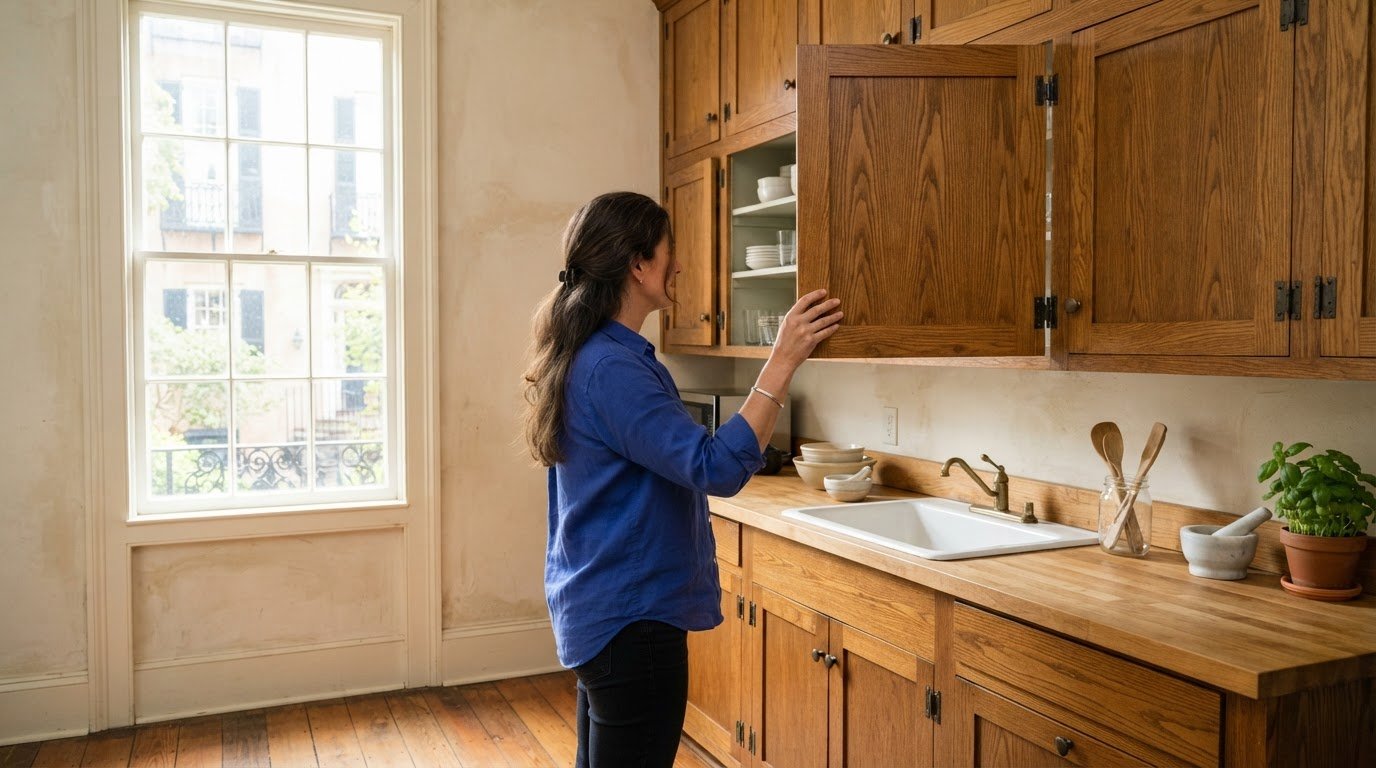
Replacing every cabinet isn’t always the smartest upgrade. If the cabinet boxes are structurally sound and the kitchen layout works, cabinet refinishing is often worth it: it refreshes visible surfaces and generally costs less than replacing the cabinets. It won’t repair failing boxes or create a new layout, so assess the underlying condition as well as the color you want.
Compare the cost with what you’ll gain, especially if your cabinets look tired but still function well. Refinishing refreshes existing surfaces; replacement makes a more complete change. This guide compares the options by cost, finish, resale appeal, and cabinet condition to help you decide when refinishing is practical and when replacement may better suit your kitchen.
Key Takeaways
- Refinishing is often the more practical update when cabinet boxes are sound and the kitchen layout already works.
- Choose a finish based on the cabinet material and the look you want, since preserving wood grain and creating a solid color call for different approaches.
- For resale, focus on a clean, cohesive kitchen rather than assuming a cabinet update will return a fixed amount.
- Look for signs of structural wear before deciding: refinishing refreshes surfaces, but it won’t repair failing cabinet boxes or change the layout.
Is it less expensive to refinish or replace kitchen cabinets?
Is cabinet refinishing worth it? If the cabinet boxes are solid, refinishing is generally less involved than removing and replacing them. The right choice depends on what needs to change: the visible finish, the cabinets themselves, or the kitchen layout.
Refinishing and Replacement Costs
Refinishing updates existing cabinet surfaces, while replacement removes the old cabinets and installs new ones. Keeping sound boxes avoids the additional work of replacing the cabinetry, so refinishing generally costs less than full replacement. The scope still depends on cabinet condition, surface preparation, and the finish you choose.
Refacing takes a middle path. It adds new doors and drawer fronts and covers the cabinet boxes with veneer, while keeping the boxes and kitchen layout in place. It can cost less than full replacement, but materials and labor still affect the price. Compare the work involved, not just the finished appearance.
When Full Replacement Is Necessary
Full replacement makes sense when cabinet boxes are failing or the kitchen layout needs to change. A surface treatment cannot repair a weakened structure. For example, swollen or damaged cabinet boxes need more than a fresh exterior finish.
Replacement also suits plans to add cabinets, move a sink, or install an island. Refacing cannot accommodate those major layout changes. For homeowners deciding on a full redesign with custom storage, browsing examples from bespoke joinery specialists such as Finest Furniture Studio can provide inspiration for tailored cabinetry solutions. If the current arrangement works and the boxes are sturdy, consider whether the visible surfaces are the main problem before choosing a full rebuild.
DIY Refinishing Costs
DIY refinishing costs depend on the cabinet area, the existing finish, and the materials and tools required. Refinishing a few doors calls for different supplies than tackling a full kitchen. Preparation also affects the total effort: cleaning, sanding, sealing, priming, and applying the finish all take time and materials.
Before deciding to refinish cabinets yourself, consider the supplies, preparation, and time involved. Skipping surface preparation can compromise the result, so weigh the full project scope, not just the cost of materials. Your cabinet condition and preferred finish also matter.
Professional refinishing and finish quality
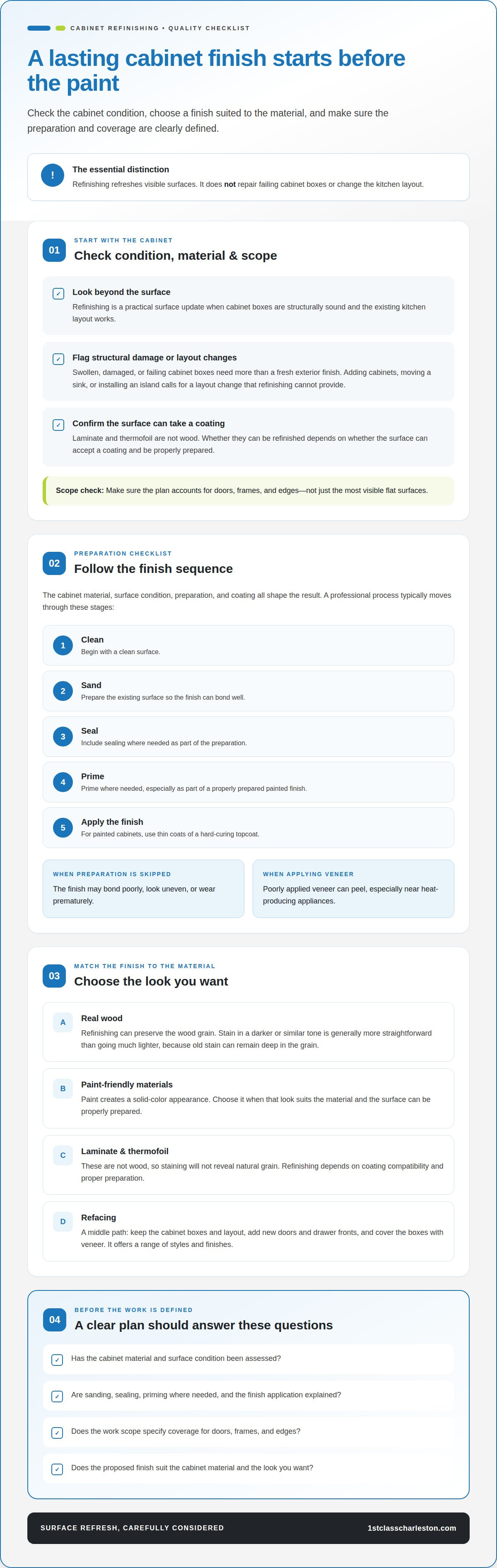
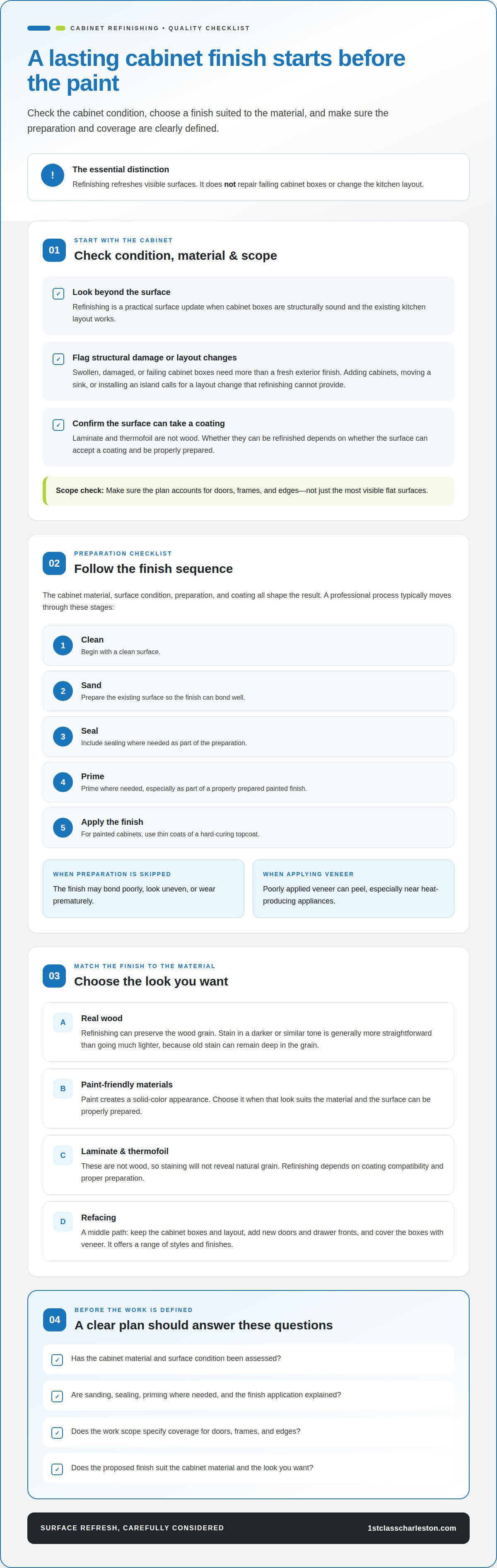
A professional finish depends on more than color. The cabinet material, surface condition, preparation, and coating all shape the result.
Professional Refinishing Process
Professional refinishing restores and recolors existing cabinet doors and surfaces while keeping the cabinet structure in place. The process typically starts with cleaning and sanding, followed by sealing and priming where needed, then careful application of the finish. These steps matter because paint applied to an unprepared surface may not bond well. Kitchen cabinets also need an even finish across doors, edges, and frames.
That sequence helps create a cohesive appearance across the kitchen.
Finish Preparation and Longevity
Preparation and finish quality are major factors in how long painted, refinished, or refaced cabinets last. A durable painted finish requires sanding, sealing, and priming, followed by thin coats of a hard-curing topcoat. Each step helps the next layer adhere and creates a more consistent surface.
Skipping preparation can leave uneven areas or a finish that wears prematurely. Refinishing changes appearance, not cabinet structure, so it won’t repair damaged boxes. Poorly applied veneer can also peel, especially near heat-producing appliances.
Wood Grain, Stain, and Finish Choices
Real wood cabinets can be refinished to preserve their grain, while paint creates a solid-color appearance on paint-friendly materials. Stain choices affect the result, too: moving to a darker or similar tone is generally more straightforward than going much lighter, because old stain can remain deep in the grain.
Laminate and thermofoil aren’t wood, so staining them won’t reveal natural grain. Whether they can be refinished depends on whether the surface can accept a coating and be properly prepared. Refacing, by contrast, offers a range of styles and finishes through new doors, drawer fronts, and veneer.
Choosing a Refinishing Contractor
A good refinishing plan explains the preparation and finish steps, assesses the cabinet material, and specifies which surfaces the work will cover. That clarity helps you judge whether the proposed finish suits your cabinets, especially if they’re laminate, thermofoil, or previously stained wood.
Look for a defined process that includes sanding, sealing, priming where needed, and thin topcoat applications for painted cabinets. Clear scope matters, too: doors, frames, and edges should be accounted for. If a surface refresh fits your kitchen, explore professional cabinet refinishing as a practical next step.
Buyer appeal and resale value
Fresh, well-maintained cabinets can strengthen a kitchen’s first impression for prospective buyers. A cohesive finish makes doors, drawer fronts, and surrounding surfaces look cared for, while visible wear can distract from the room. Refinishing is most relevant when the existing layout works and the cabinet boxes are sound. It improves the kitchen’s visible presentation without changing its footprint or storage.
Resale figures offer context, not a promise for an individual home. Cabinet refinishing can return up to ninety-six percent of its cost when a home is sold. A full kitchen overhaul often returns about half of its project cost. These figures illustrate why a focused cabinet update may be more proportionate than a complete renovation when the layout already suits the household.
Buyer appeal depends on the whole kitchen, not cabinet color alone. A clean, consistent cabinet finish, for example, can look out of place beside visibly worn counters or damaged flooring. Consider how the cabinet tone works with the room’s fixed surfaces, lighting, and overall style. For homeowners coordinating cabinetry updates with new surfaces or remodeling adjacent spaces like bathrooms, design specialists such as Countertops and Cabinetry By Design provide comprehensive renovation solutions. A neutral, coordinated appearance may appeal more broadly than a highly personal color choice, especially when preparing a home for sale.
Use a practical resale check before choosing the project scope. First, assess whether the cabinet doors and frames look dated or physically damaged. Then consider whether the current layout and storage meet everyday needs. If buyers would still face a poor layout or failing cabinets, a surface refresh won’t address their main concerns. If the kitchen functions well and the visible finish is the main drawback, refinishing updates what buyers see without rebuilding the room.
Think of resale appeal as presentation, not a guaranteed return. A polished finish can make a kitchen feel better cared for, but its value depends on the home’s condition and buyers’ priorities. Match the update to the actual problem: refresh worn surfaces, but don’t expect new color to solve limited storage or an inconvenient layout.
Cabinet box condition and structural soundness
Cabinet boxes determine whether refinishing is a lasting update or a temporary cover-up. Inspect the frame, sides, shelves, and attachment points, not just the doors. A smooth door, for example, can hide a swollen side panel or a shelf that pulls loose during ordinary kitchen use. Surface work changes appearance, but it doesn’t strengthen a failing cabinet structure.
Look for warning signs before choosing a finish: sagging shelves, soft or swollen panels, loose joints, and doors that no longer sit squarely. A crooked door alone may need adjustment, but repeated misalignment alongside separated joints suggests broader wear. Check cabinet bottoms beneath sinks and near appliances, where leaks or heat can affect the material. These signs help distinguish cosmetic wear from structural problems.
Sound cabinets can serve for decades. A good kitchen cabinet can last at least 30 years, and one homeowner reported original cabinetry in a 65-year-old building had lasted 50 years. Age alone doesn’t mean replacement is necessary. The condition of the boxes, faces, and internal hardware matters more than the installation date.
Refacing also leaves the existing cabinet boxes in place, so it doesn’t improve their structural quality. If the boxes are sturdy and the layout works, a surface update can preserve useful cabinetry. If the frames are worn or damaged, they may eventually need replacement even after refacing. A new finish won’t resolve a weak base, loose construction, or a layout that no longer suits the kitchen.
Use the condition findings to set the project scope. Sound boxes with worn color point toward refinishing; failing boxes point toward replacement. If you’re considering a surface refresh for structurally sound cabinets, explore professional cabinet refinishing as a next step. That choice keeps the decision focused on what actually needs attention, rather than replacing useful cabinets simply because their finish looks dated.
1St Class Painting & Restoration: Interior Painting
1st Class Painting & Restoration offers cabinet refinishing for homeowners whose cabinet boxes are sound and whose kitchen layout works. It’s a focused way to refresh the room’s visible surfaces without replacing functional cabinetry. If your kitchen also needs coordinated color updates, Kitchen and Bathroom Painting can bring a cohesive finish to the surrounding space.
Refinishing is not the right fix for failing cabinet boxes or a layout that needs major changes. In those cases, a kitchen remodel may better address the underlying needs. For sturdy cabinets with dated or worn finishes, the team can help make the refinishing choice feel clear and purposeful.
To discuss your kitchen and the right scope for its cabinets, contact 1st Class Painting & Restoration or visit 1stclasscharleston.com.
Choose the next step for your kitchen
Deciding whether cabinet refinishing is worth it starts with the result you want to live with every day. Consider whether your current kitchen feels comfortable and functional, or whether the project needs to solve a wider design problem. A clear goal, such as a refreshed color or a more cohesive room, can help you choose the right scope without changing more than necessary.
If you’re weighing finishes or broader home updates, 1st Class Painting & Restoration offers Interior Painting, Exterior Painting, and Kitchen and Bathroom Painting. A conversation can help you connect the cabinet decision with the look and feel you want throughout your home. There’s no need to settle for a kitchen that doesn’t feel like yours.
Contact 1st Class Painting & Restoration to discuss your project and take a confident next step toward a home you’ll enjoy.
Frequently Asked Questions
What is the difference between refacing and refinishing?
Refinishing changes existing cabinet surfaces, while refacing replaces visible components such as doors and drawer fronts and covers the cabinet boxes. For example, refinishing can update a dated finish while keeping the same door style. Refacing can give the kitchen a different door profile without removing the cabinet boxes. Neither option changes the kitchen’s underlying layout or adds storage.
Which option lasts the longest?
Full replacement renews the cabinet structure, so it can be the more comprehensive long-term choice when existing boxes are worn or damaged. A surface update leaves that structure in place, and its useful life depends on the cabinets’ condition and the quality of the finished work. A durable new finish can refresh sound cabinetry, for example, but it won’t stop a weak shelf or frame from deteriorating.
How much does professional cabinet refinishing cost in the United States?
Professional cabinet refinishing costs depend on the project and are given after a quote request. The main factors include the number of doors and drawers, cabinet condition, material, existing coating, and the amount of preparation required. A kitchen with extensive surface damage can involve a different scope than one needing a straightforward color change. Compare quotes by the work included, not just the final figure.
How long does cabinet refinishing last?
There isn’t one lifespan that applies to every refinished kitchen. The result depends on preparation, finish quality, cabinet material, and everyday use. Areas around handles and frequently opened drawers typically experience more contact than less-used cabinets. To keep the finish looking cared for, clean spills promptly and use gentle cleaning methods rather than abrasive pads that can mark the surface.
What factors affect whether cabinets can be refinished?
Cabinet material, surface condition, and the type of existing coating all affect whether refinishing is suitable. Check whether peeling, swelling, or damage extends beyond the finish, and consider whether the material can accept a new coating. Real wood may suit a stain that preserves its grain, for example, while laminate requires a compatible preparation approach. A finish update also won’t correct a layout that no longer works.
How much value does refinishing kitchen cabinets add to a home?
Cabinet refinishing doesn’t add a fixed amount to every home’s sale price. Its contribution is primarily a more attractive, cared-for kitchen, which can support a positive impression during showings. Buyers may still prioritize functional storage, the room’s overall condition, and the home’s broader needs. Refreshed cabinets won’t resolve a cramped layout or worn flooring, so consider the kitchen as a whole.